
Dachshunds are famous for their:
- long bodies,
- short legs,
- playful personalities,
- and loyal companionship.
But because of their unique body structure, Dachshunds are also one of the dog breeds most commonly associated with:
IVDD (Intervertebral Disc Disease).
Many Dachshund owners ask:
Do Dachshunds get IVDD often?
The answer is:
Yes — Dachshunds are considered one of the highest-risk breeds for IVDD.
However, while IVDD can be serious, responsible care, weight management, exercise balance, and prevention strategies may help reduce the risk and support healthier long-term mobility.
This guide explains:
- what IVDD is,
- why Dachshunds are prone to it,
- symptoms to watch for,
- treatment options,
- and prevention tips for owners.
Quick Navigation
- What Is IVDD?
- Why Are Dachshunds Prone to IVDD?
- Symptoms of IVDD in Dachshunds
- What Causes IVDD?
- Can IVDD Be Prevented?
- Weight Management & Exercise
- Best Products for Dachshund Back Support
- When to Contact a Veterinarian
- Final Thoughts
What Is IVDD?
IVDD stands for:
Intervertebral Disc Disease.
It occurs when discs between the spinal vertebrae become damaged, bulge, or rupture, potentially placing pressure on the spinal cord.
IVDD can range from:
- mild discomfort,
- to severe pain,
- mobility problems,
- or even paralysis in serious cases.
The condition is especially common in breeds with:
- long backs,
- short legs,
- and specific skeletal structures.
Why Are Dachshunds Prone to IVDD?
Dachshunds are genetically predisposed to spinal stress because of their:
- elongated bodies,
- short limbs,
- and structural proportions.
Their spine experiences unique pressure during activities such as:
- jumping,
- rough play,
- climbing stairs,
- and excessive impact.
Not every Dachshund will develop IVDD, but the breed carries a significantly higher risk compared to many other breeds.
Symptoms of IVDD in Dachshunds
Symptoms may vary depending on severity.
Common Signs Include:
- reluctance to jump,
- difficulty walking,
- shaking or trembling,
- back pain,
- stiffness,
- hunched posture,
- dragging legs,
- weakness,
- or loss of coordination.
Some Dachshunds may also:
- cry out in pain,
- avoid movement,
- or suddenly become less active.
Severe cases may involve:
- inability to stand,
- or loss of bladder control.
What Causes IVDD?
Several factors may contribute to IVDD risk, including:
- genetics,
- aging,
- obesity,
- excessive impact,
- repetitive jumping,
- poor conditioning,
- and physical strain.
While genetics play a major role, lifestyle management may help reduce unnecessary spinal stress.
Can IVDD Be Prevented?
There is no guaranteed way to completely prevent IVDD, but many owners focus on reducing risk through:
- healthy weight management,
- controlled exercise,
- mobility support,
- and limiting high-impact activities.
Helpful prevention strategies include:
- using ramps,
- avoiding excessive jumping,
- maintaining muscle tone,
- and monitoring weight carefully.
Consistency is extremely important.
Weight Management & Exercise
Excess weight places additional strain on a Dachshund’s spine and joints.
Maintaining a healthy body condition is one of the most important long-term prevention strategies.
Helpful activities may include:
- controlled walks,
- gentle play,
- low-impact exercise,
- and mental stimulation.
Avoiding obesity may help reduce unnecessary spinal stress over time.
➡ Related Reading:
How Much Exercise Does Your Dog Really Need?
(Link Direction: TDB → TCDG)
Best Products for Dachshund Back Support
Many Dachshund owners use supportive products to help reduce jumping and improve comfort.
Helpful products may include:
- dog ramps,
- orthopedic beds,
- harnesses,
- stairs,
- and mobility-support accessories.
Recommended Product:
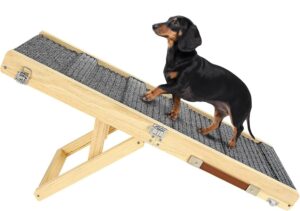
Dog Ramp for Small Dogs
Ramps may help reduce repetitive jumping from furniture or beds.
👉 View Dog Ramps on Amazon
(Link Direction: TDB → ABDS/Amazon Affiliate)
Recommended Product:
Orthopedic Dog Bed
Supportive beds may help improve comfort and reduce pressure on joints and the spine.
👉 Shop Orthopedic Dog Beds on Amazon
(Link Direction: TDB → ABDS/Amazon Affiliate)
➡ Related Reading:
Best Dog Beds for Support and Comfort
(Link Direction: TDB → ABDS)
When to Contact a Veterinarian
Owners should contact a veterinarian immediately if they notice:
- sudden pain,
- difficulty walking,
- weakness,
- dragging limbs,
- trembling,
- or loss of coordination.
Early veterinary care may improve treatment outcomes.
IVDD should always be taken seriously, especially when symptoms appear suddenly.
Living Happily With a Dachshund
Despite the breed’s IVDD risk, many Dachshunds live:
- active,
- healthy,
- and happy lives for many years.
Responsible ownership, healthy weight management, regular veterinary care, and lifestyle adjustments all play important roles in long-term wellness.
Final Thoughts
Yes — Dachshunds are one of the dog breeds most commonly associated with IVDD because of their unique body structure and genetics. However, while the condition can be serious, many owners focus on prevention strategies that may help support healthier mobility and reduce unnecessary spinal stress.
Understanding the symptoms, causes, and preventative care options allows owners to make more informed decisions and better support their Dachshund’s long-term health.
With proper care, many Dachshunds continue living active and rewarding lives as loyal family companions.
Continue Reading at The Dachshund Breed
- Dachshund Temperament Explained
(Link Direction: TDB → TDB) - Dachshund Puppy Checklist
(Link Direction: TDB → TDB) - Preparing Your Home for a New Puppy
(Link Direction: TDB → TCDG) - How Much Exercise Does Your Dog Really Need?
(Link Direction: TDB → TCDG) - Traveling With Your Dog: Complete Beginner Guide
(Link Direction: TDB → MDL) - Best Dog Beds for Support and Comfort
(Link Direction: TDB → ABDS)